

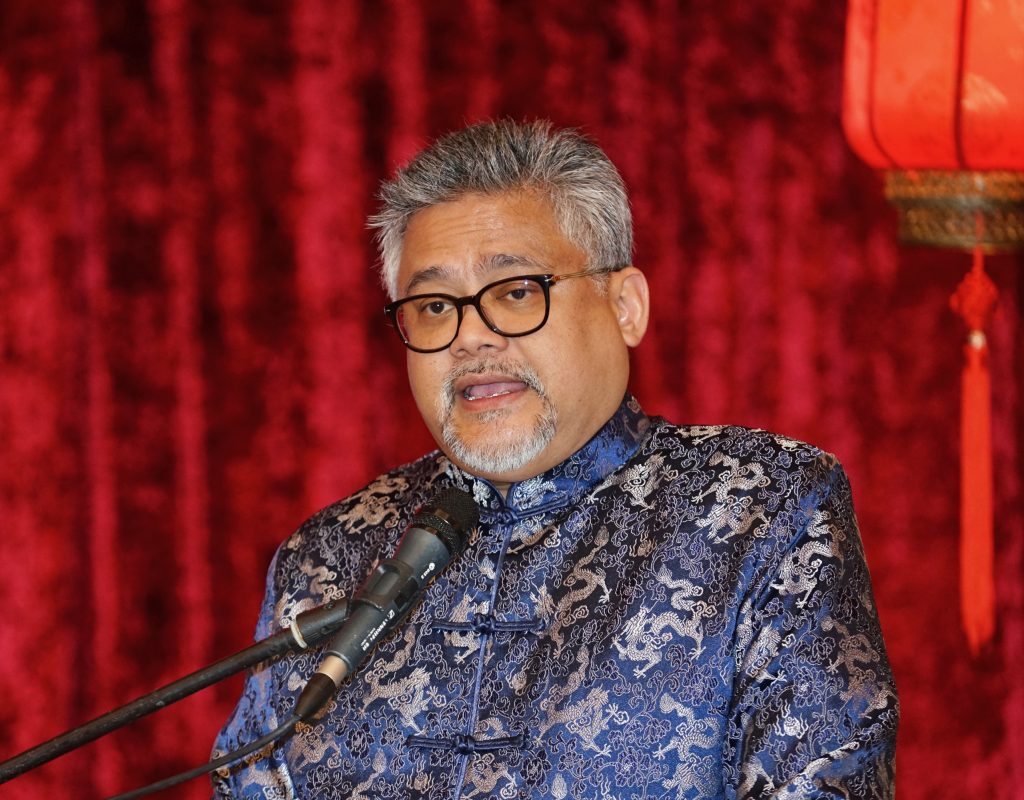
by HIDAYATH HISHAM
PUSPAKOM is preparing to handle a growing number of electric vehicles (EVs) by upgrading facilities and strengthening inspection capabilities as standards evolve.
Its CEO Mahmood Razak Bahman (picture) said EVs still make up about 2% of the total industry volume (TIV), but the segment is expected to become a bigger operational focus over time.
“As for the growth of commercial and e-hailing vehicles, it does not have a major impact on Puspakom’s inspection volume because the population of vehicles required to be inspected remains around 1.1 million to 1.2 million units a year,” he told The Malaysian Reserve (TMR) today.
Mahmood said current EV inspections focus on core safety components such as brakes and suspension, while future protocols are expected to expand into EV-specific checks as the regulatory framework matures.
“This is important to prevent vehicles from becoming stranded due to deteriorating battery performance, which can also pose safety risks,” he said.
Mahmood said the company has begun building physical capacity for EV inspections, starting with a new Cyberjaya branch that will house Puspakom’s first dedicated EV lane, demonstrating readiness to meet rising EV demand.
He said upcoming centres in Kajang, Bukit Beruntung and Batu Caves are designed with universal lanes that can be adapted for EV inspections in the future.
Puspakom is also increasing investments in inspection technology as newer vehicle systems enter the local market.
Mahmood said the agency is working with the Transport Ministry, the Road Transport Department (JPJ) and the Malaysian Institute of Road Safety Research (Miros) to ensure inspection standards keep pace with advanced driver assistance systems (ADAS).
“The local automotive landscape is increasingly being driven by technologies such as ADAS, which are already being widely adopted by local manufacturers including Perodua and Proton.
“Our role is to ensure the vehicle inspection system develops in line with advances in vehicle technology, and JPJ itself seeks Puspakom’s views in assessing these new technologies.
“In efforts to improve efficiency and transparency, Puspakom is now introducing artificial intelligence (AI) technology for undercarriage inspections, specifically through mobile inspection trucks,” he said.
Mahmood said the AI system, developed with a local company, supports automated detection of issues such as axle defects, braking system problems, oil leaks, rust and damage using camera-assisted inspection and deep learning software.
He said Puspakom is also developing a laser-based tyre inspection system to automatically detect tread depth and tyre integrity, which could reduce the risk of data manipulation.
“The technology is currently at the Proof of Concept (POC) stage and is expected to be introduced as early as this year, subject to JPJ approval and reasonable implementation costs.
“For heavy vehicles such as 18-tyre lorries, this system is far more efficient than manual inspections which require checking each tyre one by one,” he said.
On fees, Mahmood said inspection charges remain regulated by the government, with the highest rate capped at RM90 and unchanged since 2007 despite rising operating costs.
“To ensure financial sustainability, among the options being discussed are expanding the categories of vehicles required to undergo inspection, including private or government-owned vehicles, in addition to a review of the fee rates,” he said.
The post Puspakom readies EV inspection capability as adoption rises appeared first on The Malaysian Reserve.







 View original content to download multimedia:https://www.prnewswire.com/apac/news-releases/carlsberg-asia-celebrates-the-year-of-the-horse-with-exclusive-limited-edition-packaging-across-the-region-302679961.html


 View original content to download multimedia:https://www.prnewswire.co.uk/news-releases/planning-approval-secured-for-london-cancer-hub-paving-the-way-for-next-stage-of-growth-and-innovation-on-site-302679947.html
 View original content:https://www.prnewswire.co.uk/news-releases/nala-launches-casa-nala-in-mexico-city-during-art-week-with-group-exhibition-panta-rhei-koina-everything-flows-in-common-302679455.html
 View original content:https://www.prnewswire.com/news-releases/microchip-technology-receives-frost–sullivans-2025-global-product-leadership-recognition-for-automotive-touchscreen-controllers-302679895.html


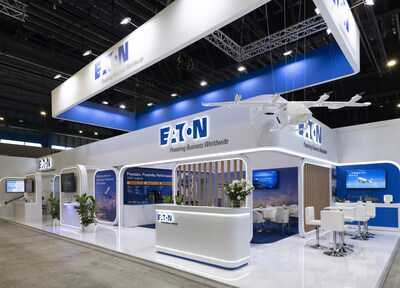
 View original content to download multimedia:https://www.prnewswire.com/apac/news-releases/eaton-showcases-advanced-aerospace-solutions-and-marks-strategic-milestones-at-singapore-airshow-302679937.html


 View original content to download multimedia:https://www.prnewswire.com/apac/news-releases/iqiyi-premieres-born-to-be-alive-turning-chinas-conservation-history-into-prestige-drama-302679922.html