

 THEY say that women have more words than men. Let me just say, modern motherhood is challenging even the most verbose of us.
I recently had lunch with two fellow millennial mothers; one a corporate executive, the other a stay-at-home mom. Before the food arrived, the executive picked up her phone. “I’ve gotten 36 messages since we’ve been sitting here!” she exclaimed. No, not from work. From friends planning a girls’ weekend.
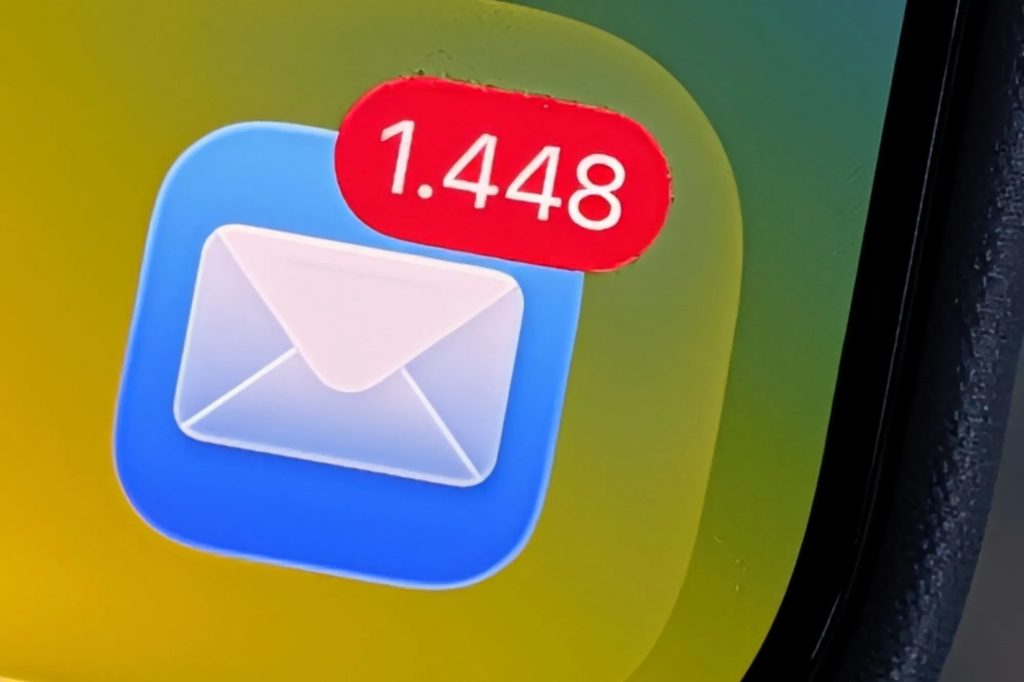
The other mom confessed that the pickleball league she leads had turned into a fulltime job from the constant communication. I glanced down at my own phone: 118 unread texts, 548 unread Group Mes, 937 unread emails. I’ve looked at (some of) them. Really.
To be sure, motherhood has always come with its share of communication demands. A 2025 study from the University of Arizona found that women between the ages of 25 and 64 speak about 3,000 more words per day than men of the same age — 21,845 words to 18,570. Researchers hypothesise this isn’t due to gender differences, but because women in this age group are more likely to be a primary caregiver. Children tend to ask a lot of question, and their brain development benefits from more conversational parents and greater word exposure.
But these days, talking is just the tip of the maternal iceberg. In 2026, the volume of digital communication for American mothers has reached record highs. According to a 2026 YouGov survey, 30% of Americans say that rates of text messaging have increased year-over-year.
Gone are the days of text plans that limited the number of messages sent or received and you had to be choosy. Gone are the days when people were willing to wait a day or three for their email to be answered. Email now seems as archaic as a beeper.
Messaging apps and texts impose urgency. You don’t want to be the last one to answer on a thread, lest you get stuck bringing the paleo-friendly class treats or are seen as uncaring and aloof.
Trying to do something “just for you”? That’s no break — that’s just more messages. (See above under: Girls’ weekend. Pickleball league.
This all creates a state of constant interruption.
A decade ago, school information came home in a folder or an envelope. Now it’s a game of catch-me-if-you-can with moms sifting through Group Mes, text threads, school emails and SchoolPass and Vidigami notifications — and that’s before you ever get to planning a sleepover or figuring out a child’s homework.
This adds up to real time and responsibility. Recent parenting polling by Harris, conducted on behalf of a popular digital calendar that promises to reduce this overload, suggests that parents (disproportionately mothers) spend roughly 30 hours a week solely on planning, scheduling and family logistics — much of which is conducted through digital messaging.
That may sound high to some. (Or self-serving from a company selling a solution.) But it makes sense to me. A single line-item on a group chat, such as for a birthday party invitation, might lead to a whole new set of logistical questions. Do I need a gift? What are my other kids doing then? Do I need to rearrange an appointment? Not to mention trying to sort and navigate upcoming summer camps and childcare.
Dads feel it, too — but the data suggest moms feel it most. A 2026 study from the University of Bath found that mothers handle roughly seven out of 10 mental-load tasks (remembering dental appointments or creating the grocery list). These mental tasks tend to promulgate digital labor of their own, such as adding calendar appointments, sending reminders, even sending messages to oneself.
There are management techniques for our new reality, but they don’t solve the problem. I’ve mostly logged off of the school text threads. I brick my phone for periods during the day. I batch-answer my emails to preserve time to think. I move my lists to notebooks and sticky notes rather than rely on yet another app. For tech-savvy parents, I’m told there are artificial intelligence (AI) tools to streamline and synthesise all the incoming chatter; a bit like spending more to save more, if you ask me.
But none of this brings the word count demanded by modern motherhood back to the 1990s.
Are there upsides to all this communication? You bet. Never has so much been able to be shared in a 24-hour period. I see pictures of my children’s class and grades in real time. I can multitask while getting groceries. Friends’ birthday gifts are coordinated and classroom parties are Pinterest-worthy. I can ping all the moms in a grade, or our neighbours, or all our friends in three seconds’ time from halfway around the world.
But there can be too much of a good thing.
Which is why on Mothers’ Day, I called my own mom and then promptly remove my phone from my bedroom for a long morning in bed of no words — written or spoken.
To my fellow mothers out there, may you have a day to do the same. — Bloomberg
- This column does not necessarily reflect the opinion of the editorial board or Bloomberg LP and its owners.
- This article first appeared in The Malaysian Reserve weekly print edition
The post How moms’ mental load became digital overload appeared first on The Malaysian Reserve.







 View original content to download multimedia:https://www.prnewswire.com/news-releases/in-hellonation-real-estate-expert-tom-mcknight-examines-what-makes-minneola-florida-a-strong-choice-for-families-302777919.html
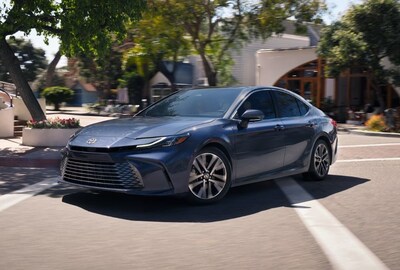
 compatibility, wireless charging and a fully digital instrument cluster. Premium interior materials and spacious seating also help create a refined driving experience for everyday travel.
 View original content to download multimedia:https://www.prnewswire.com/news-releases/ammaars-toyota-vacaville-now-adds-the-2026-toyota-camry-to-its-inventory-in-vacaville-california-302777771.html
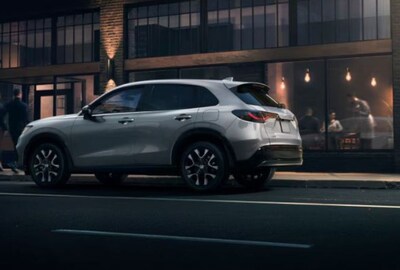
 compatibility, helping drivers stay connected on every trip. Honda also equips the latest HR-V with a wireless phone charger and intuitive cabin controls designed for daily convenience.
 View original content to download multimedia:https://www.prnewswire.com/news-releases/flagship-honda-now-adds-the-2026-honda-hr-v-to-its-inventory-in-san-juan-puerto-rico-302777786.html


 View original content to download multimedia:https://www.prnewswire.com/news-releases/hilti-named-official-power-tool-provider-for-american-airlines-center-302777918.html