

by SHAUQI WAHAB
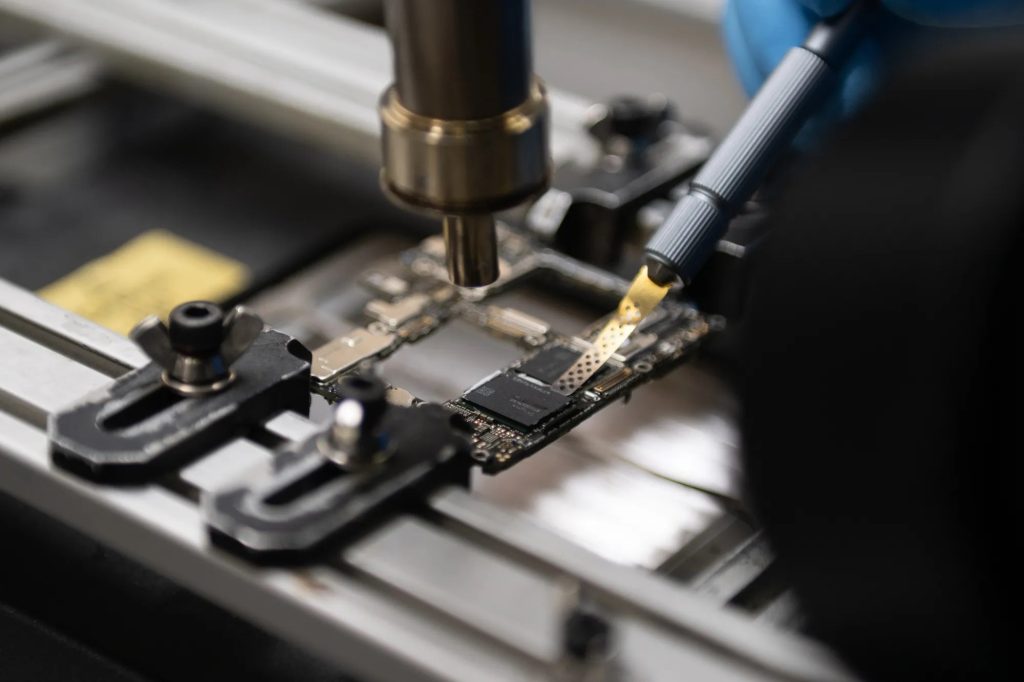
MALAYSIA’S National Semiconductor Strategy (NSS) is actively working towards moving the country up the semiconductor value chain from back-end activities such as testing and packaging towards higher-value front-end capabilities, including advanced equipment technology and integrated data-driven processes.
Launched in May 2024, the strategy also aims to shift the industry narrative from merely “Made in Malaysia” to “Made by Malaysia”, reflecting stronger local ownership and technological depth.
Investment, Trade and Industry Deputy Minister Sim Tze Tzin said the government is pursuing ambitious industry and workforce targets to support the transformation.
These include developing 60,000 skilled semiconductor workers by 2030, nurturing 10 large companies with annual turnover of US$1 billion, and growing 100 local firms with revenues of RM1 billion to create a strong ecosystem led by major players and supported by small and medium enterprises.
He explained that the strategy focuses on leveraging large anchor companies to pull small and medium enterprises (SMEs) along within the supply chain, strengthening domestic capabilities across various segments of the semiconductor industry.
“This approach is intended to accelerate technology transfer, boost innovation and expand Malaysia’s role in higher-value semiconductor manufacturing and services,” he said in Dewan Rakyat today.
However, Sim acknowledged that the NSS is still in its early stages of implementation, and comprehensive data on training progress is not yet available.
The post Got targets 60,000 skilled workers, billion-dollar firms under National Semiconductor Strategy appeared first on The Malaysian Reserve.









 View original content to download multimedia:https://www.prnewswire.com/news-releases/the-church-of-jesus-christ-of-latter-day-saints-announces-support-for-2034-utah-olympic-and-paralympic-winter-games-302678397.html