
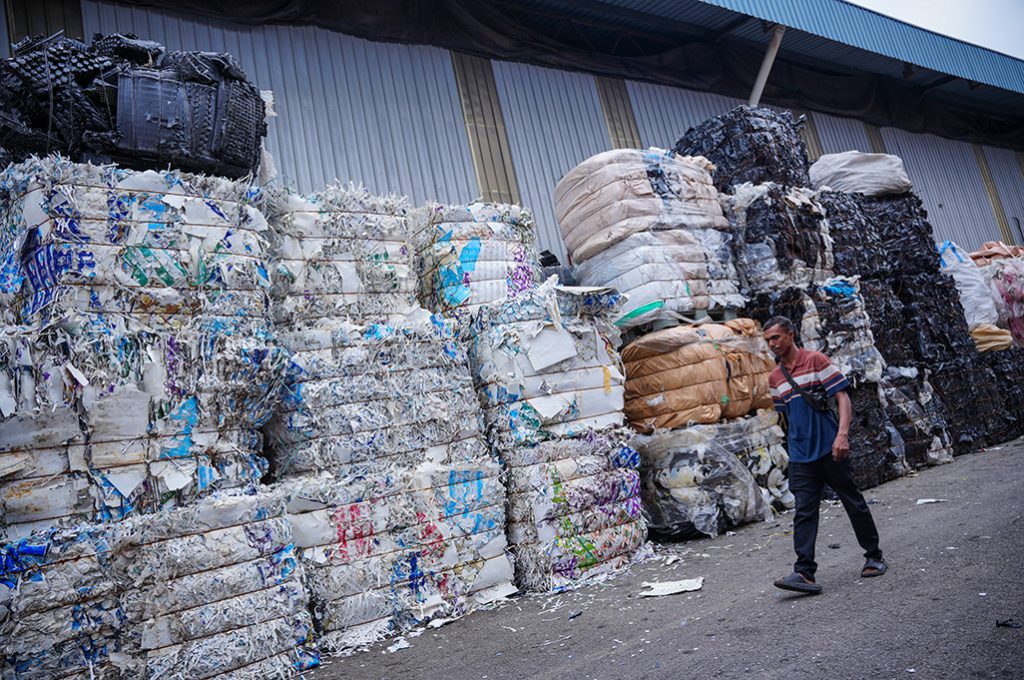
MALAYSIA’S ban on electronic waste (e-waste) imports is seen as a strong environmental stance, but experts caution it could threaten the country’s circular economy ambitions if domestic collection and recycling systems are not rapidly strengthened.
Universiti Kebangsaan Malaysia (UKM) senior lecturer Dr Muhammad Ammirrul Atiqi Mohd Zainuri said improper handling of e-waste has long posed serious environmental and public health risks, including soil and water contamination from toxic metals such as lead, mercury and cadmium.
“When electronic devices are disposed of in landfills or openly burned, toxic heavy metals such as lead, mercury and cadmium could leach into soil and groundwater, contaminating water supplies and harming aquatic ecosystems,” he told an English daily.
He added that burning e-waste, classified as “scheduled waste”, releases hazardous fumes containing dioxins and furans, worsening air pollution and posing severe health risks.
He stressed that exposure to such toxins could result in neurological damage, respiratory illnesses and kidney failure, with children and pregnant women particularly vulnerable.
While the ban aims to prevent Malaysia from becoming a global dumping ground, Muhammad Ammirrul said managing all e-waste domestically presents major challenges.
He said there is a critical mismatch between policy and infrastructure, noting that most of Malaysia’s roughly 128 licensed e-waste facilities are partial recovery plants limited to basic dismantling, with fewer than 20 equipped for full precious metal extraction.
He warned that advanced recovery plants now face a feedstock shortage after imports were cut off, threatening their financial viability.
Describing the ban as a strong legal deterrent against international waste syndicates, he cautioned that it remains a “high-stakes gamble” unless domestic collection rates improve significantly.
“Without foreign supply, high-tech plants risk insolvency unless domestic collection is drastically improved,” he said.
He added that Malaysia must redirect household e-waste into the formal recycling chain to ensure long-term success.
Looking ahead, Muhammad Ammirrul pointed to advanced “urban mining” technologies such as AI-powered sorting, hydrometallurgy and biometallurgy as key to unlocking e-waste’s economic value, while warning that policy instability could deter green investment.
Under the 13th Malaysia Plan (MP13), he said Malaysia must move beyond import bans and build a fully integrated closed-loop system for household e-waste management if it aims to position itself as a regional leader in sustainable resource recovery.
The post Malaysia’s e-waste import ban risks undermining circular economy without strong domestic recycling appeared first on The Malaysian Reserve.
 View original content to download multimedia:https://www.prnewswire.com/apac/news-releases/space-cybersecurity-leaders-convene-in-singapore-to-address-escalating-threats-in-inaugural-edition-of-cysat-asia-302681162.html