
Auto Added by WPeMatico

by EMMA COURT
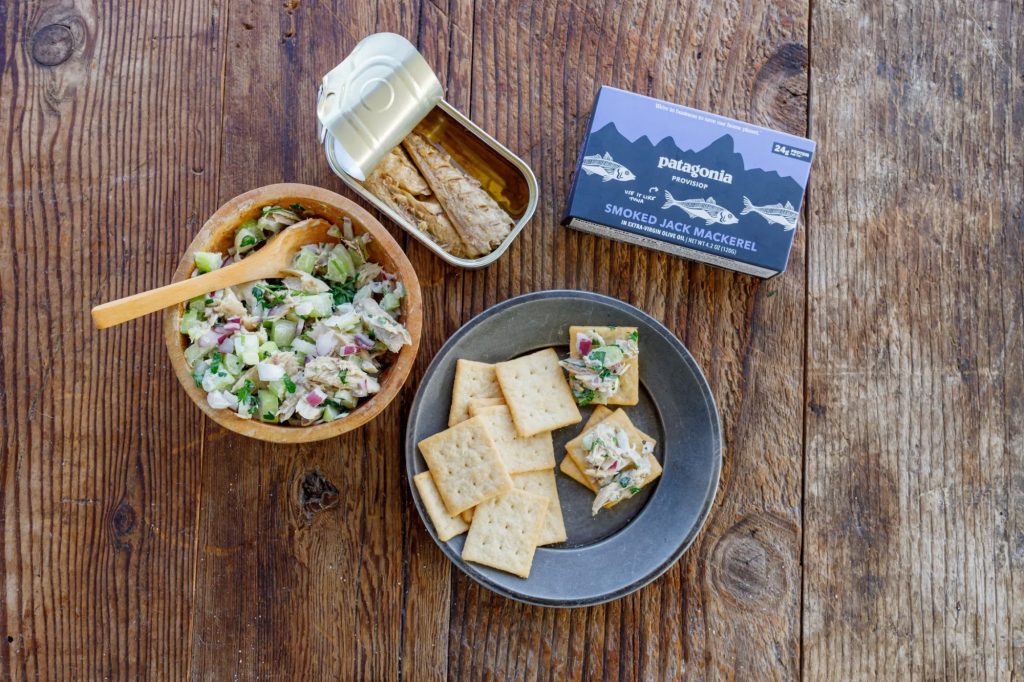
FISHED from abundant, well-managed stock off the coast of Spain and France, Patagonia’s canned Atlantic mackerel was once the epitome of sustainability.
But the species became overfished, so the company had to track down a new source. After a months-long mackerel absence, it’s now selling a different species found in South Pacific waters off Chile, where stocks have bounced back.
“It wasn’t an easy decision from the perspective of doing something that was otherwise good for our business,” said Paul Lightfoot, GM of Patagonia Provisions.
“But it was quite easy in that we know that our standards are what they are.”
Tinned fish is one of the lowest-carbon animal proteins around. Wild fish don’t need feed or belch methane, and when canned, don’t need to be refrigerated.
Brightly coloured seafood tins with bold designs have taken off on TikTok in recent years, leading the category to become a global hit as consumers up their protein intake and seek greener options.
But sourcing seafood sustainably is becoming more difficult in an era of warming waters, spurring other tinned fish retailers like Patagonia to rejigger their supply chains.
The ocean absorbs some 90% of global warming’s excess heat, and higher temperatures are shifting where fish are distributed. That’s upended fishing quota agreements as species move into cooler waters.
In the North East Atlantic region, for example, as mackerel moved northwest towards Iceland, the country upped its catches. But fishers from areas including the European Union (EU), where the species has traditionally been found, also continued to catch the fish. This has led to the “mackerel war,” a longstanding dispute over fishing quotas. In the meantime, fish stocks have declined.
Best known for manufacturing fleece jackets, Patagonia also sells pantry staples that double as camping food, including crackers made from regenerative organic wheat and bison meat sticks. Tinned fish is the top seller of its food division.
Atlantic mackerel is a popular fish known for its nutrient density. Because it’s on the smaller side, it’s located lower on the food chain, which means it’s less likely to have contaminants like mercury that are found in bigger fish like tuna.
Patagonia customers liked how meaty and rich it was, which made it easy to swap in for tuna in salads and sandwiches, Lightfoot said.
The company had been sourcing its mackerel from a small fishery in the Bay of Biscay, which stretches along the coasts of France and Spain, but the area is now experiencing overfishing.
Over the past 15 years, the fishing industry has, on average, caught nearly 40% more mackerel in the wider North East Atlantic than scientists advise.
The International Council for the Exploitation of the Seas, an intergovernmental marine science organisation, has recommended reducing catches this year by 77%, or else the stock could have a smaller chance of recovery.
“The problem is our international governance is so weak that we’re not able to react or adapt with these climate-ready policies that can take account of these shifts, which are happening at an accelerated rate,” said Erin Priddle, an official at the Marine Stewardship Council, a nonprofit that sets sustainable fishing standards.
Certification of North East Atlantic mackerel fisheries was suspended in 2019, preventing those mackerel products from being sold with MSC’s blue label calling them sustainable.
Businesses were able to keep responsibly sourcing there while working to improve sustainability practices through independently audited projects, said Aoife Martin, executive chair of the North Atlantic Pelagic Advocacy Group (NAPA), whose membership represents an array of businesses in the seafood supply chain. Those NAPA programmes, however, are slated to end by October, she said.
Companies selling mackerel began to look to the South Pacific for a viable alternative.
The jack mackerel is found in waters off the coasts of Chile, Peru, New Zealand and Australia. It is a different species and has a slightly different taste. And unlike Atlantic mackerel, which is typically found in cold or temperate waters, the jack mackerel tends to live in warmer areas.
After being overfished in the 1990s, measures including science-based catch limits set by the South Pacific Regional Fishing Management Organisation enabled the species’ recovery, leading to the Chilean jack mackerel fishery earning a Marine Stewardship Council sustainability certification in 2019.
“It’s a really great success story,” said Priddle.
In Europe, where there’s a greater focus on sustainability and a long tradition of eating tinned fish, retailers have begun offering Chilean jack mackerel in recent years.
They include Princes Group, a large canning brand, and the supermarkets Albert Heijn, Jumbo and Lidl.
Waitrose, the upscale UK grocer, said last month that it will suspend sourcing mackerel from Scottish waters at the end of April.
The grocer, which is owned by the John Lewis Partnership plc, cited recommendations that North East Atlantic catches should be dramatically reduced, and said that a December agreement by countries to reduce mackerel fishing by nearly half was a step forward but not good enough.
Lightfoot believes Patagonia was the first to make this move in the US. In changing its supply chain, the company had to consider whether the new fish would smoke well and appeal to customers used to the taste of the Atlantic mackerel.
For about six months, Patagonia lost its spot on grocery store shelves as it developed its new product.
It started selling the new smoked jack mackerel online last month for US$9 (RM35) a can, and at retailers, including Amazon. com Inc’s Whole Foods Market and Sprouts Farmers Market Inc.
Patagonia previously offered Atlantic mackerel in different flavours and plans to introduce a second, more seasoned Chilean jack mackerel product later this year.
“We are happy to say that the taste attributes are almost the exact same,” Lightfoot said. “It is this beautiful, rich, meaty, great-texture fish to eat, and the nutritional claims are also just really good.” — Bloomberg
- This article first appeared in The Malaysian Reserve weekly print edition
The post Chilean mackerel now sourced for popular Patagonia tinned fish appeared first on The Malaysian Reserve.