
Auto Added by WPeMatico
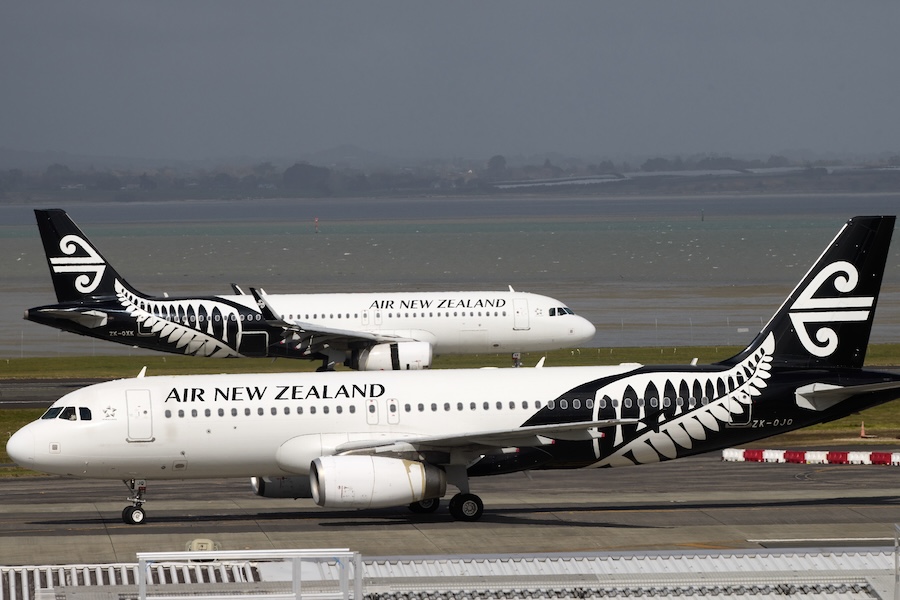

AIR New Zealand Ltd. may have to delay purchases of new aircraft or raise fresh funds as soaring fuel prices further strain the finances of the unprofitable airline, according to analysts.
The Auckland-based company this week scrapped its full-year earnings guidance and said it would cut 5% of domestic and international flights between March 16 until May 3 to combat “unprecedented volatility in jet fuel prices.” Even before the Iran War, the carrier was beset by engine maintenance requirements, plane delivery delays and tepid domestic demand.
A sustained increase in fuel prices might force the airline to seek additional capital, said Andy Bowley, head of research at Forsyth Barr.
“I don’t think you can rule that out as a potential scenario if fuel prices stay much higher, for much longer,” said Bowley, who rates the carrier underperform. “We’re talking about a business that was already challenged.”
Air New Zealand’s situation underscores the exposure of the aviation sector to geopolitics and global shocks, even for airlines far away from the war zone and who don’t fly to the Middle East. Airlines around the world are responding by increasing fares and fuel surcharges, but the rising costs pose a risk to carriers that were already financially frail, such as the Kiwi carrier.
Air New Zealand didn’t respond to questions on the potential need to raise capital or delay plane purchases.
The company swung to a pretax loss of NZ$59 million ($35 million) in the first half ended Dec. 31, a bigger deficit than expected, Its second-half performance could be even worse, the airline said Feb. 26 before the war broke out. It has since warned that the conflict will “meaningfully” impact second-half results.
At the end of December, Air New Zealand had NZ$1.09 billion in cash and equivalents, down from NZ$1.44 billion six months earlier, according to filings last month. The airline said it had planes valued at about NZ$2.3 billion that offered “a strong source of contingent liquidity.” New Chief Executive Officer Nikhil Ravishankar is undertaking a strategic review.
Any cost cuts Ravishankar identifies may not be sufficient to alleviate wider financial strains, said Grant Lowe, an analyst at Jarden Research in Auckland.
“It’s probably not going to be enough to address everything,” Lowe said. “Other options include deferring planned fleet purchases or potentially looking to raise equity.”
Lowe estimates that Air New Zealand is due to spend about NZ$3.4 billion on its fleet in the next five years.
Shares in Air New Zealand have tumbled around 20% since the start of the Middle East conflict. The stock was down 2.2% to 44.5 New Zealand cents on Friday, valuing the business at about NZ$1.4 billion. The New Zealand government owns a little over 50% of the company.
Shares in Singapore Airlines Ltd. and Cathay Pacific Airways Ltd. have lost about 8% since the war began.
Net debt of NZ$1.96 billion was 2.6 times earnings before interest, tax, depreciation and amortization on Dec. 31. That’s above the company’s target multiple of 1.5 to 2.5 times. Now the war has dimmed the prospect of a profit rebound that could reduce leverage.
Speaking to local media outlet NZME on Friday, Finance Minister Nicola Willis said she was in regular contact with Ravishankar, and she had confidence in its board and management. “They’re being responsible, they’re taking the steps they need to do, to ensure that their business remains viable during a period when the jet fuel price has roughly doubled,” she said.
Jet fuel prices, which were around $85 to $90 per barrel prior to the conflict, had increased to between $150 to $200 a barrel, the airline said March 10 as it scrapped full-year guidance.–BLOOMBERG
The post Iran war fallout may force Air NZ to raise capital, analysts say appeared first on The Malaysian Reserve.