
Auto Added by WPeMatico
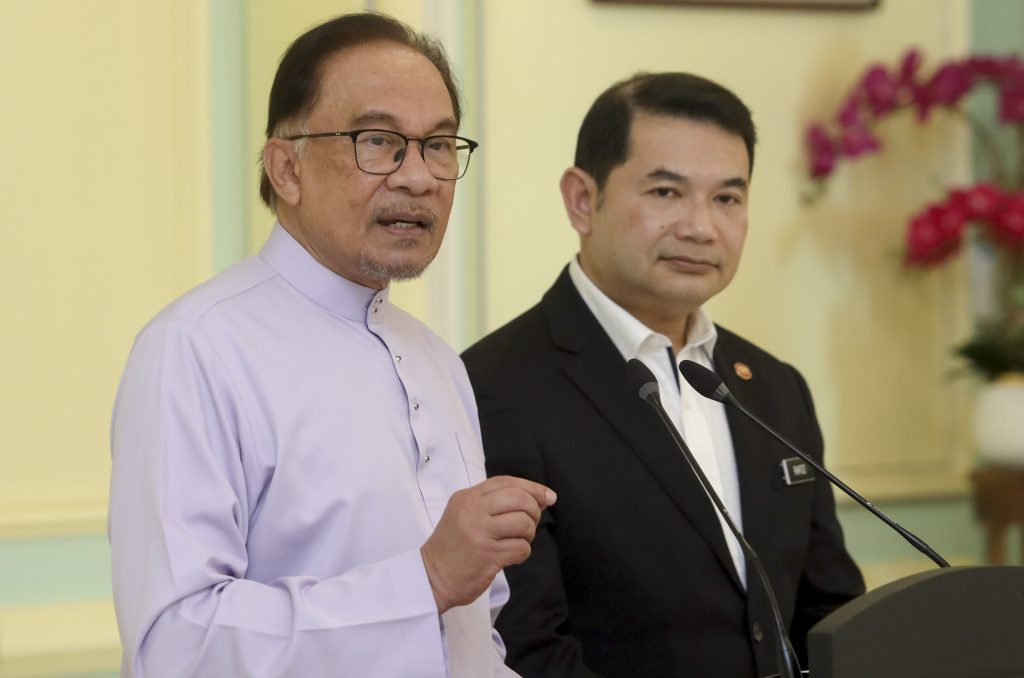

They manoeuvred politically, built alliances, and tried to weaken each other’s networks of support while preserving their own strength
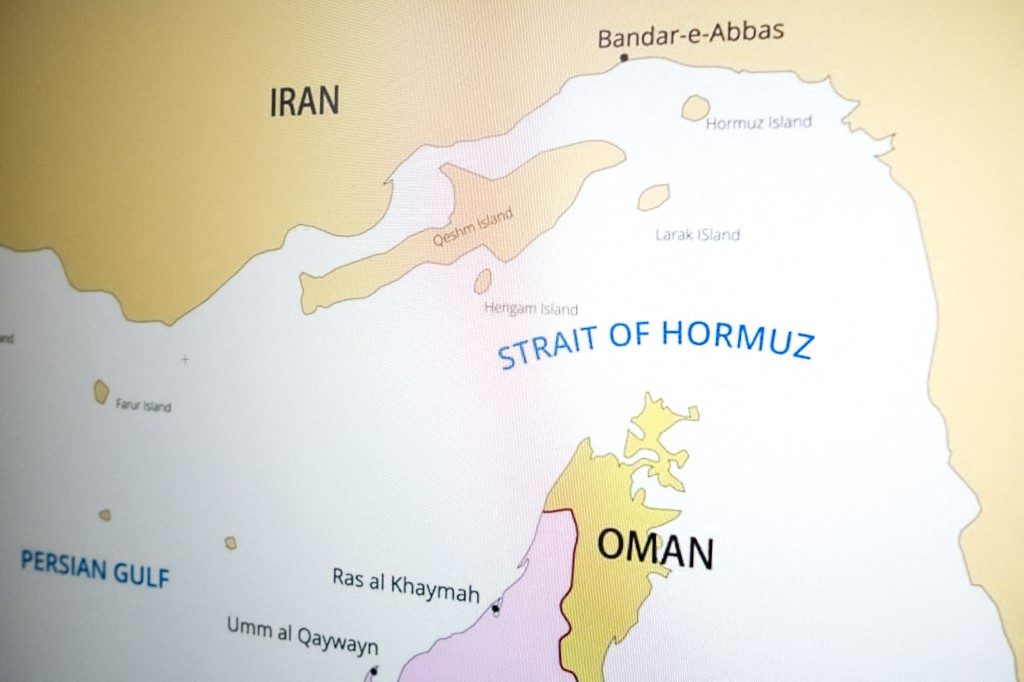
 A CHINESE-CANADIAN educator who runs the popular YouTube channel Predictive History made three striking predictions in 2024. First, that Donald Trump would win the race for the White House. Second, that the president who campaigned on a “no more wars” platform, would nevertheless end up launching a conflict with Iran. Third, that the US would lose that war.
Fast forward to 2026, and the first two predictions have already come to pass. That alone has turned the Beijing-based Yale graduate into something of a minor sensation across social media and TV commentary circuits.
Prime Minister (PM) Datuk Seri Anwar Ibrahim and his Madani team might well pick up a lesson or two from this analyst as they navigate their own political terrain — both externally and within their own ranks.
The battles have been many. Among the most visible is the increasingly public clash with his former deputy, Datuk Seri Rafizi Ramli.
I have been following Jiang Xueqin’s work for some time. A Yale graduate who has worked in journalism and Chinese school reform, his analyses often appear on my online feed. Through his channel Predictive History, he uses game theory and historical patterns to analyse current events and project future geopolitical trajectories.
In a recent broadcast, Jiang — popularly referred to online as “Prof Jiang”, though there is no clear record of a tenured academic appointment — examined what might be guiding Iran’s leadership as it faces pressure from the US, the world’s most powerful military force with the largest defence budget on the planet.
His central theme was endurance.
Powerful states, he argued, often avoid direct military confrontation not because they lack the will to fight, but because they understand such conflicts rarely end well for either side. The Cold War between the US and the Soviet Union offers the clearest example. Both possessed nuclear arsenals capable of destroying civilisation many times over, yet neither side used them.
They understood the consequences. From that reality emerged the doctrine of MAD — mutually assured destruction. Total war meant nuclear catastrophe, with neither side left standing to enjoy whatever victory they might have been fighting for.
“So they competed indirectly,” Jiang explained. They manoeuvred politically, built alliances, and tried to weaken each other’s networks of support while preserving their own strength.
He suggested that Iran might now be applying a similar logic. Iran’s leaders, he argued, see a world undergoing significant change. Global energy markets are shifting, while the strategic rivalry between the US and China is consuming enormous amounts of American attention and resources.
Strategic restraint, Jiang added, is often misunderstood.
“The idea that restraint means abandoning your goals is one of the most common misreadings of geopolitics,” he said. “The state that survives today retains the ability to influence tomorrow.” In the long game of geopolitics, tomorrow is where the real contest always takes place, he added.
That idea provides an interesting lens through which to examine the increasingly visible rift between Anwar and Rafizi. Four themes stand out: Endurance, confrontation, restraint and patience.
The relationship between the two men was forged within PKR, the reformist party founded by Anwar. By the early 2010s, Rafizi had emerged as one of his most capable young strategists — a loyal operative with a reputation for political combat.
His rise was swift. Between 2010 and 2013 he moved from activist to national figure. In 2013, he entered Parliament as the MP for Pandan and quickly became one of PKR’s most prominent leaders. A year later, he was appointed the party’s secretary general, placing him at the centre of its political machinery. At the time, he was widely regarded as one of Anwar’s most trusted lieutenants. The partnership appeared to reach its peak after the 2022 general election. When Rafizi became PKR deputy president while Anwar assumed the premiership. Rafizi was then appointed minister of economy.
But the alignment did not last. In May 2025, Rafizi lost the PKR deputy presidency to Anwar’s daughter, Nurul Izzah. As he had pledged earlier, he resigned from the Cabinet and soon began voicing criticisms of the party leadership.
Both sides, in their own way, passed the endurance test. Each holding their ground until the 2025 party elections.
Rafizi later revealed that he had avoided direct confrontation in public for some time, even though disagreements had already been brewing within the party. Some of those tensions revolved around figures such as Datuk Seri Mohamed Azmin Ali and Datuk Seri Farhash Wafa Salvador Rizal Mubarak.
Azmin’s break with PKR had already shaken Malaysian politics in 2020, when his faction joined Opposition parties in what became known as the Sheraton Move, collapsing the Pakatan Harapan (PH) government.
Farhash, who once served as Anwar’s political secretary, has also drawn Rafizi’s criticism. Their dispute appears rooted largely in PKR’s internal factional politics and competing visions of leadership within the party.
Now 43, Farhash has largely shifted into the business world after stepping away from active politics. Yet even there, he has remained a target of Rafizi’s sharp remarks, particularly where business ventures are perceived — fairly or otherwise — to be linked to Anwar’s political network.
At this stage, both Anwar and Rafizi appear to have abandoned any notion of strategic restraint. It is not a full-scale political war, but the sniper fire has begun — and it is intensifying.
Rafizi believes patience carries little value if wrongdoing is perceived. He has said he will not remain silent simply to protect his political future.
Anwar, however, may also have taken a strategic risk by not stopping (or probably giving the green light to) his daughter to challenge Rafizi for the party’s deputy presidency. The move may have strengthened loyalty within the leadership circle, but it may also have weakened party cohesion at a time when PKR must prepare for the next general election.
In a recent podcast, Rafizi delivered a pointed criticism.
“What exactly does he (Anwar) want to present to the people as his reason to remain prime minister for another term?” he asked. “People can already see that even coalition partners are no longer fully listening to him.”
That, Rafizi suggested, is the real challenge facing PKR’s leadership today.
The question now is whether Anwar chooses the strategy Jiang described. In geopolitics — and perhaps in politics — patience is often the weapon that determines how the story ends.
- Habhajan Singh is the corporate editor of The Malaysian Reserve.
- This article first appeared in The Malaysian Reserve weekly print edition
The post The long game behind the Anwar-Rafizi rift appeared first on The Malaysian Reserve.
 STROLLING through the Ramadhan bazaar, inhaling the heavy, sweet smoke of ayam percik and feasting on the neon-coloured displays of agar-agar, the carnage to the West feels like a hallucination.