
Auto Added by WPeMatico

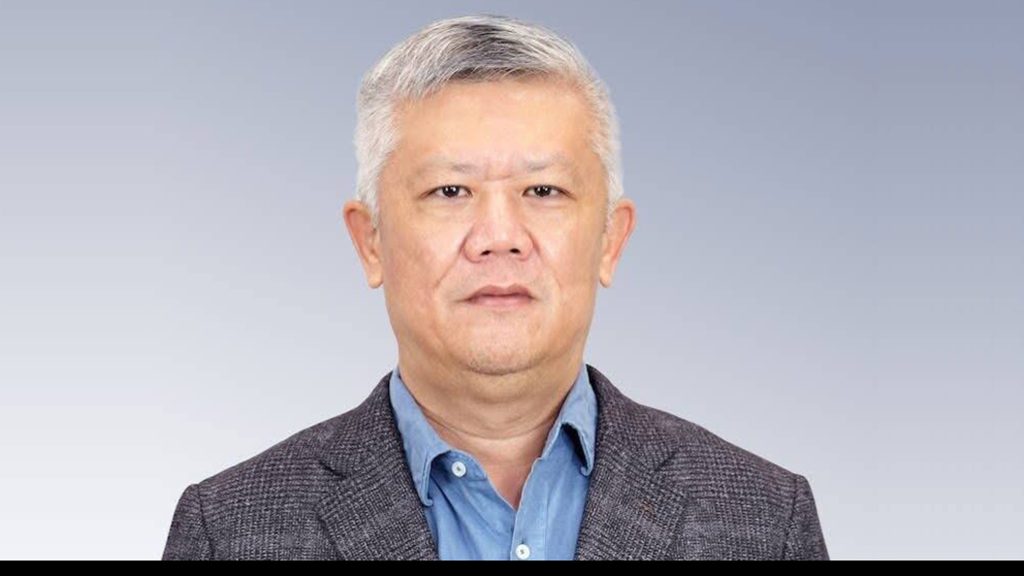
GEORGE TOWN — Penang will establish a Special Task Force Committee to continue efforts to set up the Penang International Financial Centre (PIFC), based on a “whole-of-state” approach.
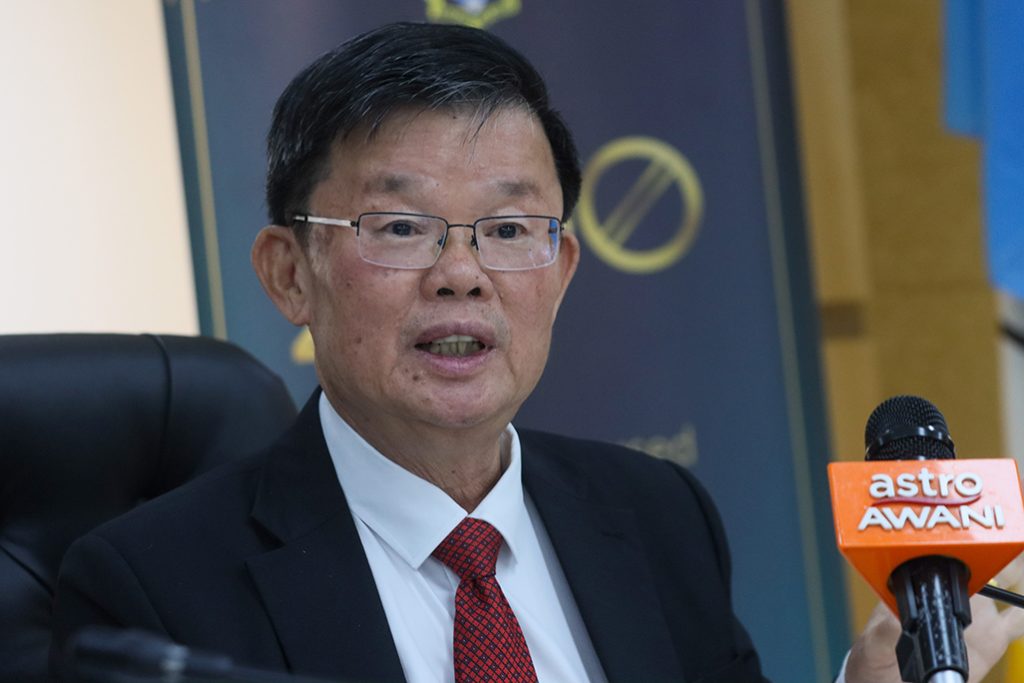
Chief Minister Chow Kon Yeow (picture) said the decision, made during the state executive council meeting yesterday, was a step to strengthen the state’s commitment to realising the initiative.
“I will chair the committee, while the State Secretary (Datuk Seri Zulkifli Long) will serve as deputy chairman, with members including the state financial officer, state legal adviser, representatives from the state economic planning unit (BPEN), Invest Penang, the Northern Corridor Implementation Authority (NCIA), the Malaysian Investment Development Authority (MIDA), and representatives from the private sector.
“The committee will be jointly managed by the state finance department and Penang Institute, which had previously assisted the state government in exploring the establishment of the PIFC, including conducting engagement sessions with various stakeholders and regulators,” he told a press conference in Komtar today.
At the initial stage, he said the special task force will be responsible for preparing a White Paper and a strategic action plan (blueprint) to be submitted to the Ministry of Finance Malaysia (MOF) by the third quarter of this year.
Elaborating further, Chow said the establishment of the PIFC aims, among others, to position Penang as a technology and financial nexus hub, particularly in supporting the semiconductor industry value chain, including the development of strategic financial services such as supply chain financing, Islamic finance-based fintech, and digital financial infrastructure.
He added that it is also in line with efforts to strengthen Penang’s position as a major electrical and electronics (E&E) hub through capital inflows resulting from global trade conflicts, thereby positioning the state as a low-risk investment destination.
He said the development of the PIFC is expected to take up to 20 years, but the initial implementation can begin in the near term by focusing on institutional establishment and regulatory ecosystem development.
Chow also informed that the first meeting of the special task force is scheduled for April 1 to begin detailed discussions toward preparing the blueprint and white paper.
Commenting on the location of the PIFC, he said the matter has yet to be finalised and is subject to study outcomes and approval by the federal government. So far, three companies based on the island have submitted proposals through an expression of interest process conducted by Penang Institute.
In March last year, the Penang Chief Minister’s Office officially submitted a letter of intent to the MOF regarding the proposal to establish an international financial centre in the state. However, the MOF gave a neutral response in July 2025, stating that there is currently no national policy to establish a new international financial centre.
Nevertheless, Chow said recent developments indicate a more positive response, with the federal government requesting the state provide a clear policy framework and conduct in-depth studies and comprehensive stakeholder engagement.
The post PIFC: Penang to establish special committee, targets white paper submission to MOF by 3Q appeared first on The Malaysian Reserve.