



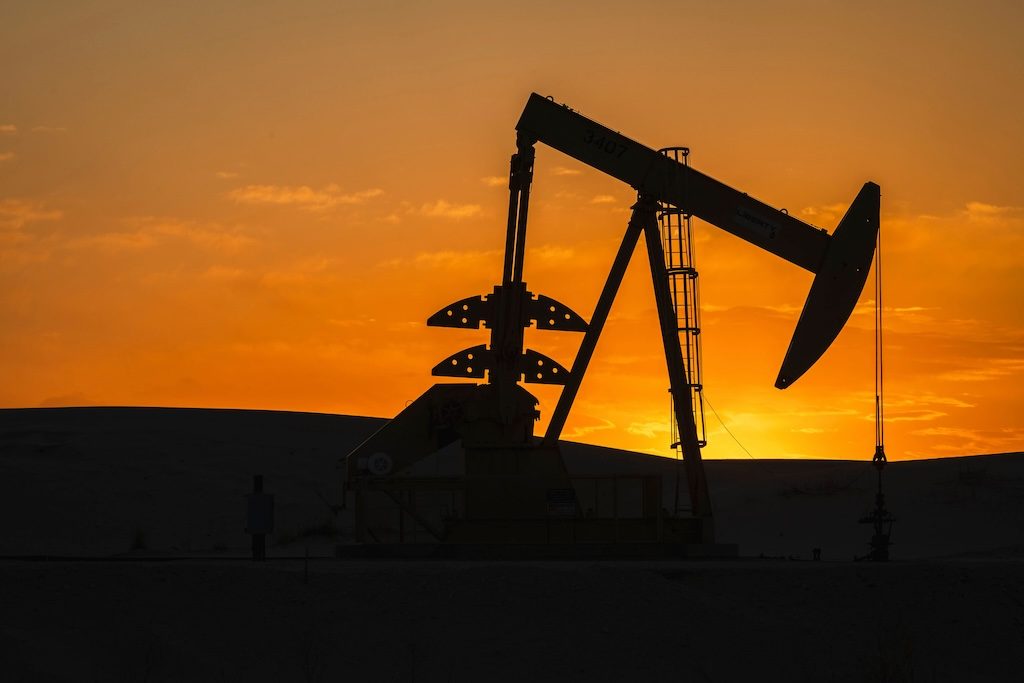
OIL steadied after slumping 11% on Monday, as President Donald Trump backed down from strikes against Iran’s energy infrastructure.
Brent edged toward $102 a barrel, while West Texas Intermediate was near $91, after a wild session. Trump said he would pause the attacks for five days, claiming there were talks with Iran in a bid to end the conflict. Still, Tehran denied negotiations were taking place, while Israel kept up attacks.
Concerns remain the war may draw in other states, with the Wall Street Journal reporting that US allies in the Persian Gulf were inching toward contributing to the fight against Iran. Among them, Saudi Crown Prince Mohammed bin Salman is now eager to re-establish deterrence and is close to a decision to join the attacks, the newspaper said, citing people familiar with the situation.
Brent has rallied almost 40% this month on concern the hostilities between the US, Israel and Iran that have rocked the Middle East will trigger a global energy crunch, boosting inflation. The war has all but halted transit through the Strait of Hormuz, forcing Persian Gulf producers to scale back millions of barrels of daily oil output. Petroleum products such as diesel and jet fuel have rallied even harder than crude, squeezing consumers and rattling governments.
Iran is reviewing correspondence it received from the US via mediators, CBS reported, citing a senior Iranian Foreign Ministry official. Meanwhile, gas facilities were hit in Isfahan, central Iran, the Fars news agency reported.
“It is unclear how far back-channel talks have progressed or if the IRGC is in any mood to settle at this stage when they remain in firm control of the Strait of Hormuz,” RBC Capital Markets LLC analysts including Helima Croft said in a note, referring to the Islamic Revolutionary Guard Corps. “Ships, not soundbites, will likely be what ultimately matters for physical markets.”
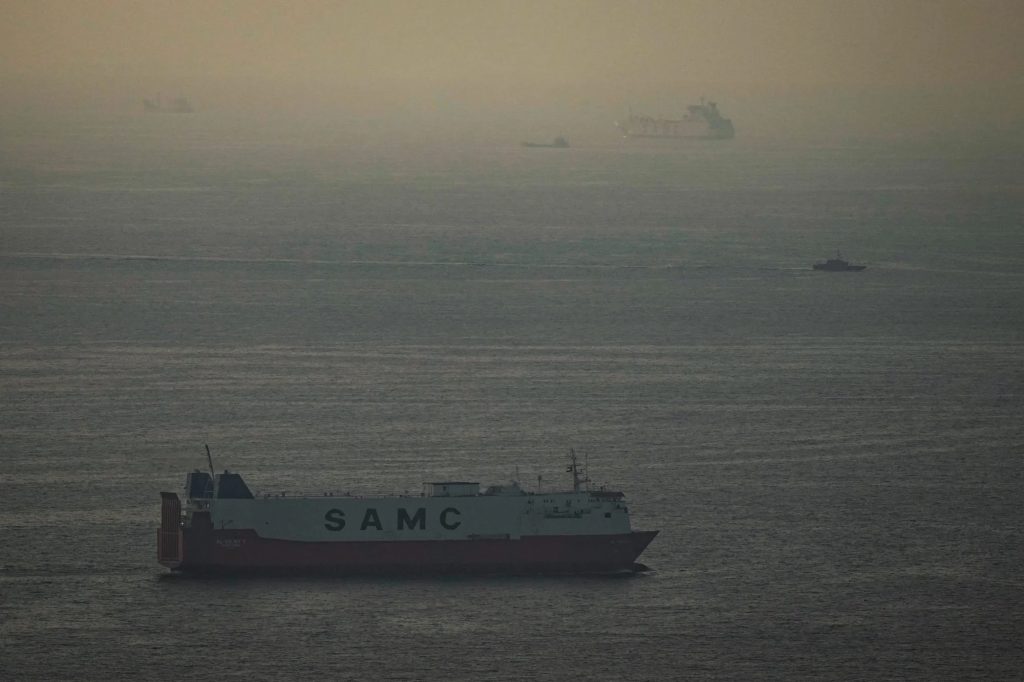
A trickle of ships has successfully exited the Persian Gulf in recent days, even as the bulk of traffic through the critical artery remains effectively stalled. The first supertanker transporting Iraqi crude through the strait since its near-closure was observed, according to Bloomberg data.
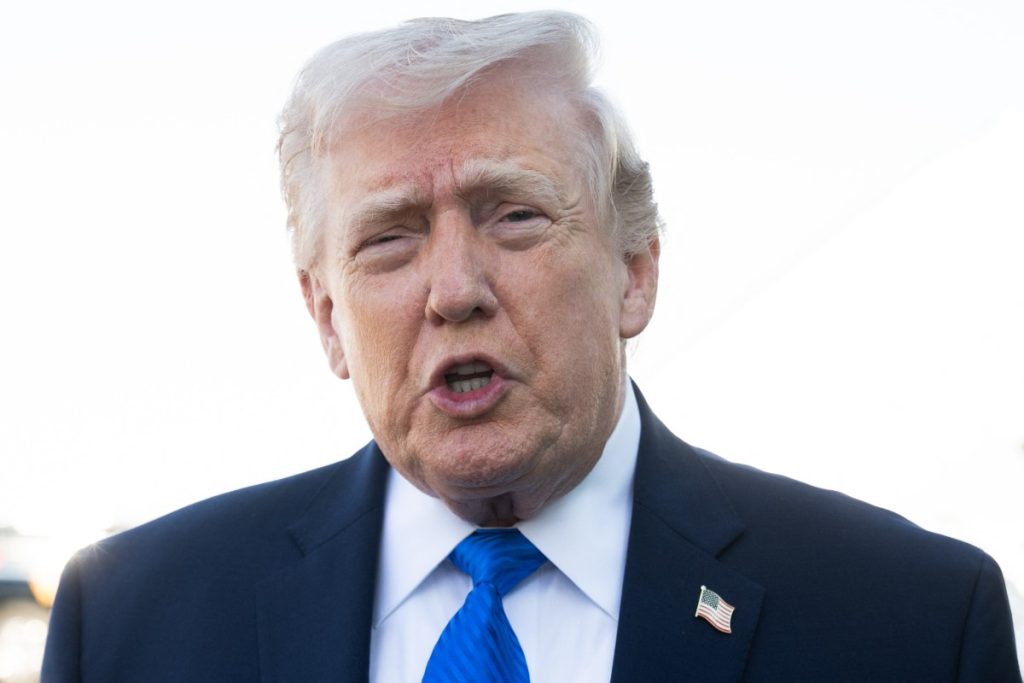
At the weekend, Trump had threatened to bomb Iran’s energy infrastructure unless Hormuz were fully opened within 48 hours. His decision to halt the strikes was seen as an effort to manage oil prices by people familiar with the diplomatic talks, and Trump on Monday acknowledged the link. “The price of oil will drop like a rock as soon as the deal is done,” Trump said.
The US president also suggested Washington and Tehran could jointly control the Strait of Hormuz. The conduit could be open very soon “if it works,” he said.
“A negotiated outcome may be the best of a series of bad options that President Trump has,” said Will Todman, senior fellow in Middle East Program at the Center for Strategic and International Studies. However, Iran will “go into these talks with great skepticism, fearing that President Trump is simply running down the clock until more military assets arrive in the region.”
The repeated shifts in messaging from the US leader have left investors fatigued, dampening trading volumes as investors sift through a near-constant stream of sometimes contradictory headlines. Four of the six largest-ever moves seen in Brent futures have occurred since the conflict began.
“If this shock lasts longer, this extreme tightness that’s now concentrated in Middle East and Asia would spread to the rest of the world,” Goldman Sachs Group Inc. Co-Head of Global Commodities Research Daan Struyven told Bloomberg Television. –BLOOMBERG
| Prices: |
|---|
|
The post Oil holds hefty drop as Trump walks back Iran energy threats appeared first on The Malaysian Reserve.



 View original content:https://www.prnewswire.co.uk/news-releases/together-ever-launches-revionyx-to-establish-longevity-infrastructure-in-premium-pet-nutrition-302722599.html
 View original content:https://www.prnewswire.com/apac/news-releases/manhattan-associates-announced-aba100-winner-for-supply-chain-innovation-at-australian-business-awards-302722602.html